Getting The Eye Exam To Work
Table of ContentsNot known Facts About Paediatric OphthalmologyNot known Facts About Eye ExamThe 10-Second Trick For Paediatric OphthalmologyThe Main Principles Of Conjunctivitis
Eye doctors are clinical physicians who specialize in the medical diagnosis and also therapy of eye and also vision issues. What is the difference in between an ophthalmologist as well as an optometrist, after that? What regarding opticians? These 3 kinds of eye treatment specialists have rather similar-sounding names as well as overlapping job descriptions. It can be perplexing initially glance.They can not give eye examinations, create prescriptions, or identify or treat eye problems. can analyze your eyes, test your vision, suggest glasses or calls, and also identify and also deal with many eye conditions as well as conditions. They are not clinical doctors or cosmetic surgeons yet can suggest certain eye-related medicines (http://blogs.pjstar.com/eye/2013/09/14/3-0-central-runs-over-manual-46-26-at-peoria-stadium/#comment-468943). additionally provide eye tests, vision testing, and also prescriptions for glasses or call lenses.

Ophthalmologists detect as well as treat injuries, infections, illness, as well as conditions of the eye. Treatments can include medicine taken by mouth (by mouth) or topically (in the eye), surgery, cryotherapy (freeze treatment), and radiation treatment (chemical treatment). Eye doctors attend medical college after that obtain several years of specialized training in the medical and surgical care of the eye.
An Unbiased View of Conjunctivitis
As they are the only doctor who can treat all eye disorders, ophthalmologists see a wide variety of eye problems, including: How often should you have an eye examination? What are signs and symptoms that suggest you may have an eye problem that needs to be checked by an eye physician? The American Academy of Ophthalmology suggests: As youngsters's eyes are growing and also transforming swiftly, they ought to get a vision screening.
Grownups who have healthy and balanced eyes and also exceptional vision should have 4 extensive eye tests: one in their 20s, 2 in their 30s, and one at age 40. These checkups may permit the eye doctor to capture an eye illness or vision modifications early on. By the time you notice signs and symptoms, you may currently have some vision loss (AMBLYOPIA).
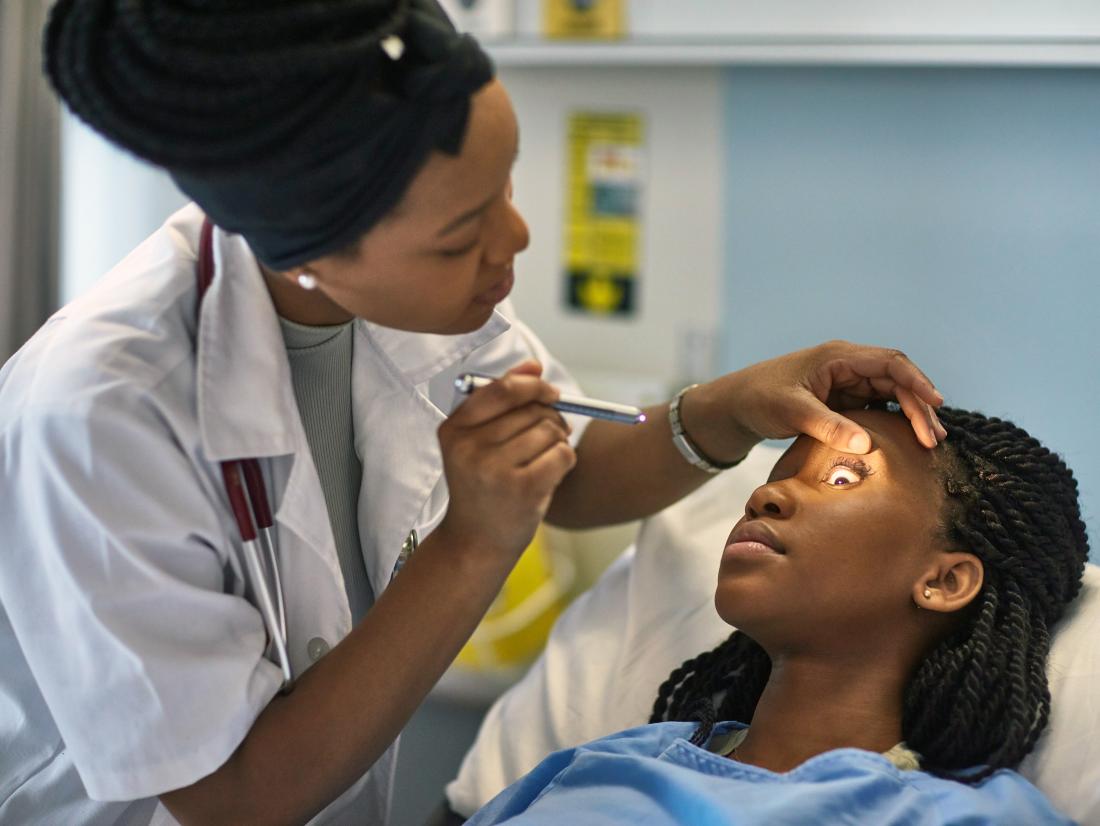
Individuals who go to a greater danger of eye illness might need to get an eye exam a lot more frequently. This can consist of people with diabetes, hypertension, or a family members history of eye troubles - AMBLYOPIA. After age 65, your eyes ought to be examined each to two years. No matter age, people who wear calls must have a full eye test each year.
Your view depends on seeing the appropriate ophthalmologist at the appropriate time. When it's time to "get your eyes inspected," ensure you are seeing the right eye care expert for your requirements. Eye doctors, eye doctors and lens each play an important function in offering eye treatment to consumers. Yet the degrees of training and also competence are quite different for each sort of service provider.
8 Easy Facts About Paediatric Ophthalmology Described

is a medical or osteopathic physician who focuses on eye and vision treatment. Eye doctors differ from optometrists and opticians in their levels of training and in what they can identify as well as treat (https://www.businessveyor.com/author/drcrlinecatt/). As a medical doctor that has actually finished college as well as at least eight years of additional medical training, an ophthalmologist is accredited to exercise medication and also surgical treatment.
Numerous ophthalmologists are additionally associated with clinical research study on the reasons and remedies for eye conditions as well as vision conditions. SUBSPECIALISTS: ADDITIONAL KNOWLEDGE AND TRAINING FOR PARTICULAR EYE NEEDS While eye doctors are educated to take care of all eye problems and also conditions, some Eye M.D.s specialize in a particular area of clinical or medical eye care.
He or she usually completes a couple of years of added, more comprehensive training called a fellowship in among the major subspecialty areas such as glaucoma, retina, cornea, pediatric medicines, neurology as well as cosmetic surgery, as well as others. This included training and also expertise prepares an ophthalmologist deal with more facility or specific problems in particular locations of the eye or in certain teams of patients.
An eye doctor is not a medical doctor. An optometrist gets a physician of optometry (OD) degree after completing 4 years of optometry school, preceded by three years or even more years of college. They are licensed to exercise optometry, which mostly involves performing eye exams as well as vision tests, recommending as well as giving rehabilitative lenses, spotting specific eye abnormalities, as well as prescribing medications for certain eye diseases.
The Ultimate Guide To Adult Cataract
They use prescriptions provided by ophthalmologists or eye doctors, however do not test vision or create prescriptions for aesthetic modification. Lens are not permitted to diagnose or deal with eye conditions. All of us depend on our vision in even more manner ins which we might understand. Without healthy vision, our ability to function, play, drive or perhaps recognize a face can be dramatically affected.
That's why it is so essential to see an eye doctor for a full medical eye exam by age 40, as well as after that as frequently as suggested by your Eye M.D.
A full, medical eye find more info test by an Eye M.D. could be the very first action towards conserving your view. Protruding of one or both eyes; Dark drape or veil that blocks your vision; Lowered vision, also if short-lived; Diabetes mellitus; Altered vision; Double vision; Excess tearing; Eyelid irregularities; Household history of eye disease; Halos (tinted circles around lights); High blood pressure; HIV or Help; Injury to the eye; Loss of outer (side) vision; Misaligned eyes; New floaters (black "strings" or flecks in the vision) and/or flashes of light; Discomfort in the eye; Thyroid disease-related eye troubles (Tomb' condition); Uncommon red eye.